
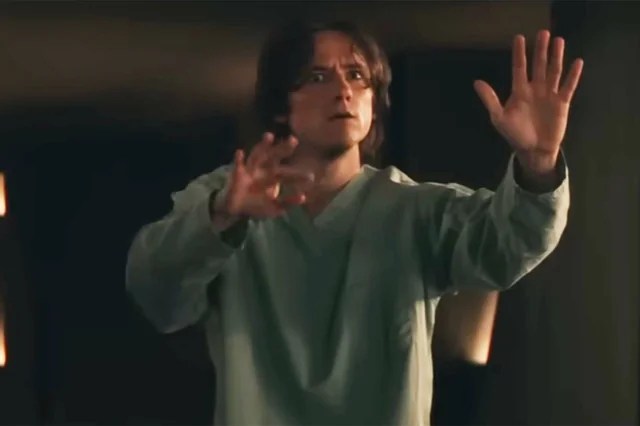
(Warning: Spoiler Alerts from the movie “Thunderbolts”. Do not read unless you’re okay with that.)
Confession: I enjoy Marvel movies. I grew up with the X-Men, and superheroes in general were always fun to keep up with. I don’t know them nearly as well as those who are well-versed in the comics. But I’m familiar enough to enjoy keeping up with the new movies. I also believe imagination and the arts are an important part of our prayer and spiritual life, so I’m always encouraging our girls to pay attention to where Kingdom Truths are being revealed or expressed in culture.
With all of this in mind, I thoroughly enjoyed the movie “Thunderbolts*” recently. If you’re a Marvel purist, you may not enjoy this post. But if you’re open to it, I believe the movie illustrates beautifully some important Kingdom truths, especially as we experience them in our present cultural deficits.
- Emotional Health is real, and a real need even (and especially) for Christians. In her role as a pastor, my wife is leading a group through the book “Emotionally Healthy Spirituality“. It has been a blessing to share the journey with her and others. Toward the beginning, Yelena shares advice with Bob to “stuff it down deep” to his question of what to do with the “emptiness”. An emotionally healthy person can be aware and respond authentically with self-regulation even to unpleasant emotions. Pretending everything is fine and peace exists, when there are real challenges or biological alerts that something is not okay, denies a major part of who God has created us to be. As we see toward the end of the movie, this creates a “shadow self” which is not our real and authentic self. We become focused more on controlling and manipulating both ourself and others without recognizing the humanity of anyone. In fact, (as illustrated poignantly in the “Dark Sentry” moments) we “dehumanize” others, displacing their authentic self, consuming them for our purposes in ways that leave them as isolated as we were feeling in the first place. As we do this, the darkness we thought we had “dealt with” grows – no longer within us, but demanding space out in the reality we exist in. Such a dehumanizing darkness continues to cause isolation, both within us from our true selves, but also between us and others (especially the most “otherly” of others), and between us and God.
- Our Goals are Dis-ordered. We see a collection of “dis-ordered” goals, in Ox Corp’s attempt to create the most powerful “super-soldier”, called “The Sentry”. He would be male, obviously, and have no weaknesses or limitations. So many of these same goals can be found woven through our society, especially as seen in our pursuit and use of technological advances. Andy Crouch does a great job highlighting these pursuits in what he calls “the Magic”. The goal is to maximize productivity (profit/power/etc.) with minimal effort, and disregarding the human/environmental costs. We want to be as close to being “a god” as possible. We want to know everything, transcend every limit, and make anything we need or want accessible instantly (instant gratification). We want to be omnidesirable (I made up this word, but we want to be in a perpetual state of “camera ready” without vulnerable flaws or imperfections.), omniscient (have access to all knowledge in our pockets), and omnipresent (having internet capabilities connecting the globe wirelessly). We want to defend our ability to have and be these things so strongly, anyone who seems to stand in our way is no longer a person but an object – an obstacle to be removed in our pursuits. Jonathan Haidt has a bestselling book about how this cycle of anxious pursuit is unsustainable and dis-integrating. At several points in the movie, we hear a voice of reason questioning these goals being pursued without regard for the persons involved. Mel, who is Valentina’s assistant tries to point out the risks involved in offering limitless expectations to someone who is emotionally wounded, or at best very undeveloped. By offering all these divine-like promises of our culture to every child as young as they’re able to hold a screen/device – perhaps we’re doing the exact same thing?
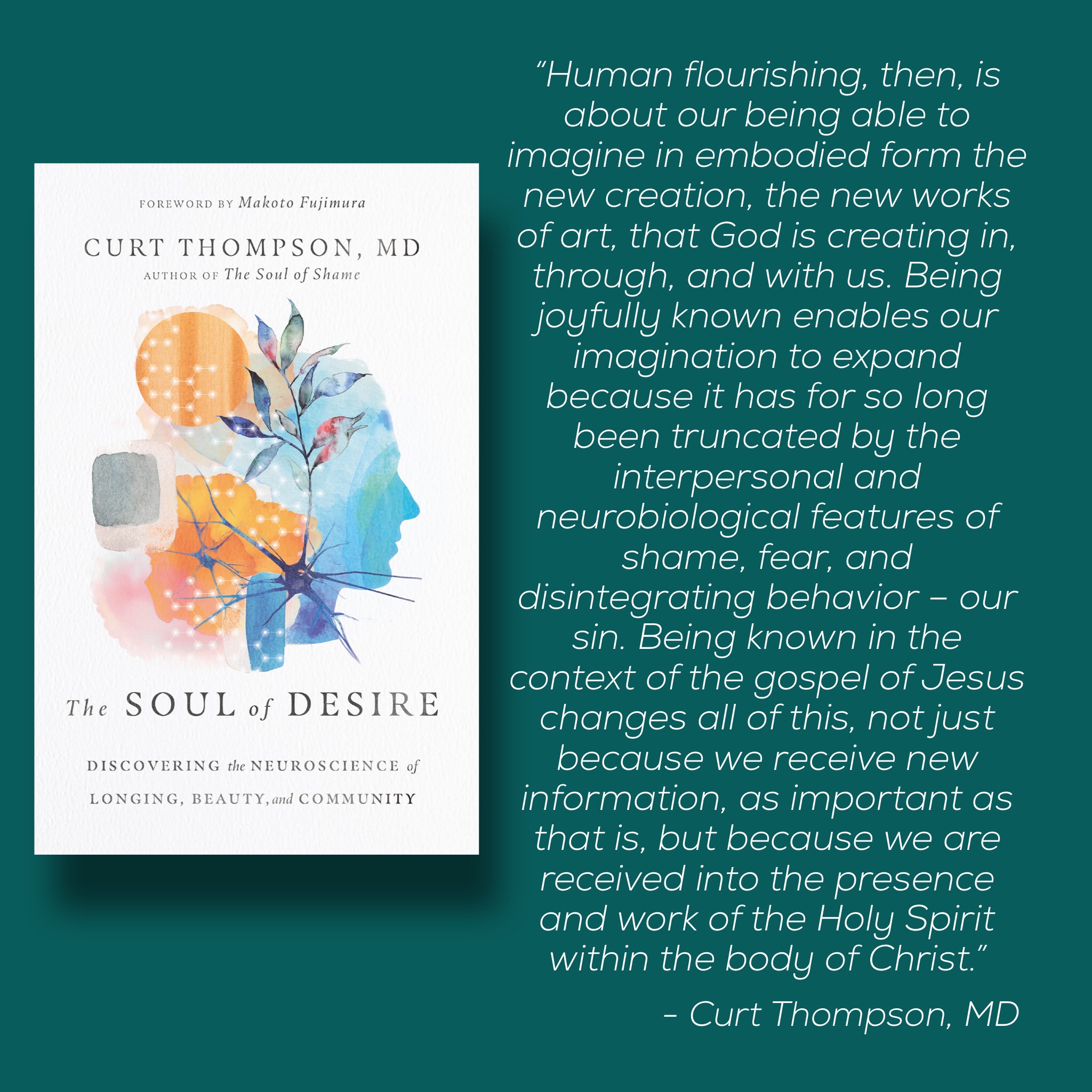
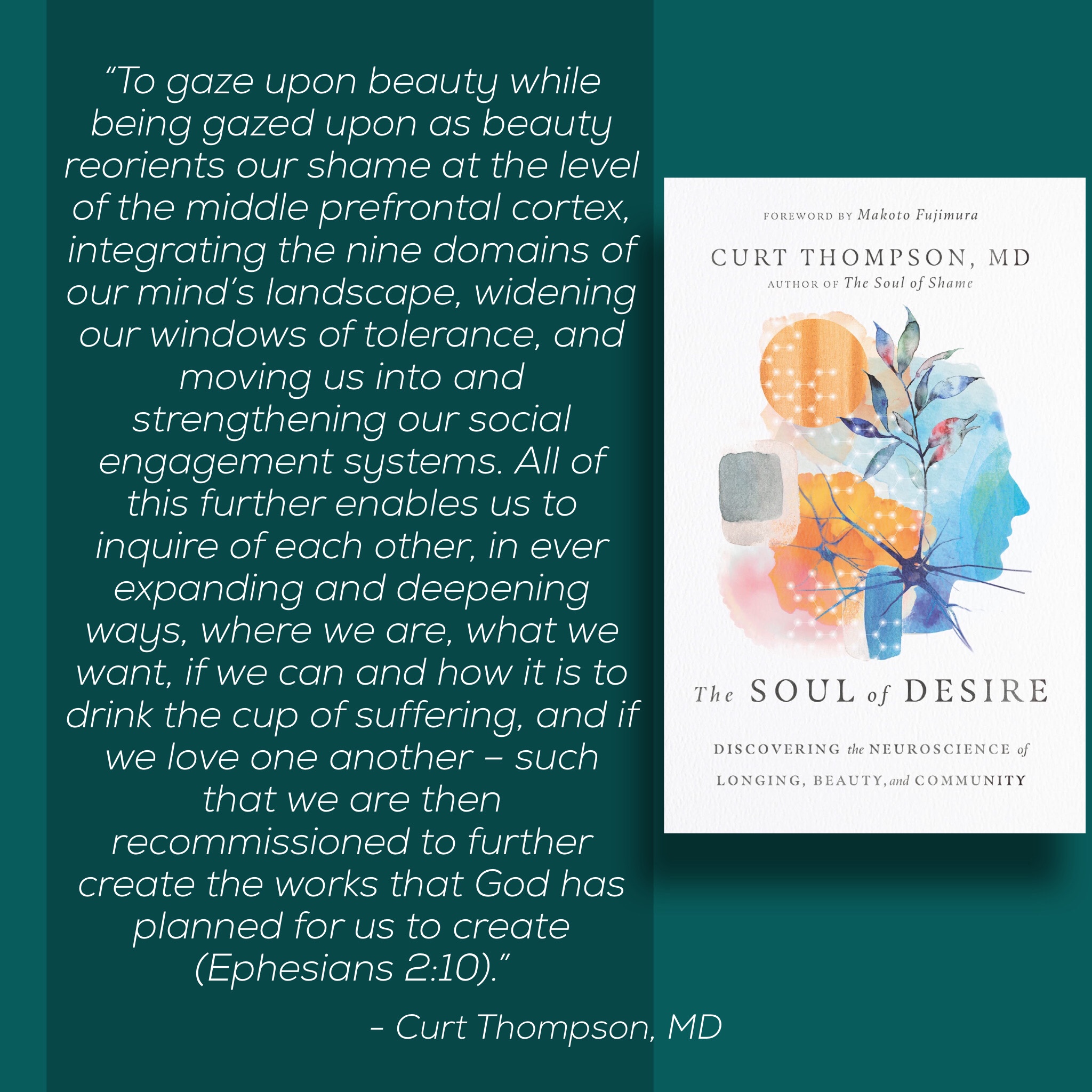
- Healing comes in authentic relationship/community. Many books and podcasts are finally announcing what the research has been long showing us – to quote John Donne, “No man is an island.” I’ve loved the research being done by leaders like Dr. Curt Thompson, and the writing of Dr. Jim Wilder in areas of interpersonal neurobiology. There is so much healing available to us when we purposefully pursue vulnerability in committed community with a small group of others. We’ve “discovered” what God revealed in scripture long ago – we are made in the image of a Triune God who literally IS relationship (and invites us to exist within that relationship), revealed in Jesus Christ. We cannot exist in healthy or redemptive ways in our isolation, or in the false versions of community most of us settle for provided by social media. “Media” means “in the middle”, and so we’re reminded that a “mediated presence” through technology is not an embodied presence. It can be a helpful tool at times, but should never be seen as anything more than a supplement or liminal space to actual in-person relationships wherever possible. When God wanted to invite us back into restored relationship with Him, He was not content to send a message to us, or even appear in the clouds. He came in the flesh, walked among us, and invites us to “become His body” by the power of the Holy Spirit still today. This is what every local church seeks to be, as our specific/temporal expression of the Church across all time and space. This is our hopeful and redemptive path of response to all the “darkness/isolation” caused by turning away from God in the first place (see Genesis 3).
Just as Yelena was encouraged, we are those who “shine the light” in response to darkness (John 1:5). We do not attempt to do this on our own, but together with others. We live in this direction humbly, confessing our faults to each other, and being loved/restored each time – as we grow in the direction of more readily being those with strong attachments to our God who is Love. This will take grace, in every direction. This will take practicing forgiveness and reconciliation as an act of tangible love, even and especially where it doesn’t make sense according to the world. When this happens invitationally, even those who thought they were completely lost to darkness already can be integrated into the healing community sourced in the Holy Spirit sent by Jesus Christ. Not only integrated, but becoming part of His living and ongoing invitation to all others to come and be soaked in the healing realities of Father, Spirit, and Son. That sure sounds like a great commission…(pun intended).


 words from wick